Blog

What Are Eco Friendly Container Homes?

What Are Eco Friendly Container Homes?

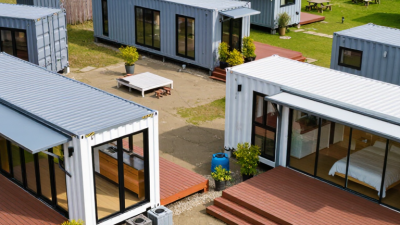
Eco-friendly container homes transform retired shipping boxes into compact, practical living spaces. They can reduce demand for new structural materials and reuse containers that might otherwise remain idle. However, sustainability is not automatic. A container home becomes genuinely responsible only through careful design, verified materials, and efficient long-term operation. In practice, the steel walls need insulation, ventilation, and protection from condensation. Without these measures, summer interiors can become uncomfortably hot, while winter heating costs may rise. Designers often combine recycled steel with low-impact insulation, energy-efficient windows, rainwater systems, and durable finishes. Solar panels may help, but their value depends on local sunlight, roof orientation, maintenance, and battery production. Details matter. A reliable project begins with a professional inspection of the container’s condition, previous use, corrosion, and structural changes. Qualified architects, engineers, and local building officials should review foundations, fire safety, plumbing, accessibility, and permits. Standards vary between regions, so attractive online examples cannot replace local advice. This guide examines how Eco-friendly container homes work, where they perform well, and where their environmental claims may weaken. Some reused containers require extensive cleaning or modification. Cutting large openings can also demand reinforcement and create additional material waste. That tension deserves attention. A smaller footprint does not always guarantee a smaller environmental impact. Lifecycle costs, indoor air quality, transportation distance, and future adaptability should all influence the final decision. Eco-friendly container homes are promising, but they are not a perfect shortcut to sustainable housing.
Read more »

Olivia By:Olivia - October 24, 2026
How to Source Multi Container Residential Homes?

How to Source Multi Container Residential Homes?

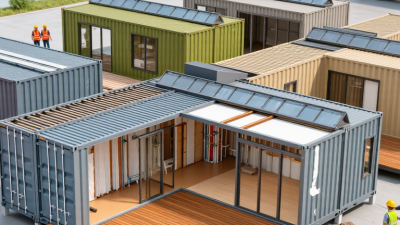
Sourcing Multi-container residential homes requires more than finding several steel boxes and joining them together. It demands careful planning, verified suppliers, and practical knowledge of residential construction. A successful project begins with a clear brief. Define the number of bedrooms, local climate, transport distance, and expected budget. These details influence container grades, insulation methods, structural reinforcement, and installation costs. Architect Adam Kalkin, widely recognized for container-based architecture, has described containers as “building blocks” for architecture. His perspective is useful, but the phrase should not be taken too literally. A container is not automatically a safe or comfortable home. It may have hidden corrosion, chemical residues, damaged corner castings, or unsuitable dimensions. An experienced supplier should provide inspection records, steel specifications, delivery photographs, and a transparent modification schedule. Look for companies with completed residential projects, not only attractive computer images. Ask to see finished interiors, roof junctions, bathroom installations, and connection details between units. Check how rainwater drains from the roof. Examine where insulation meets the steel frame. These small details affect comfort every day. The sourcing process should also include licensed designers, qualified engineers, and local building professionals. Requirements differ by location. Energy performance, fire safety, foundations, plumbing, and electrical systems must be reviewed before purchase. Some suppliers offer low prices but exclude transport, crane hire, foundations, or certification. That can create unpleasant surprises. A careful buyer should compare the full project cost, not the container price alone. Multi-container residential homes can be efficient and distinctive. They can also become expensive when early assumptions are wrong. Leave room for revision. That is not weakness; it is responsible sourcing.
Read more »
Ethan By:Ethan - October 19, 2026
China Top 10 Single Container ADU Manufacturers

China Top 10 Single Container ADU Manufacturers

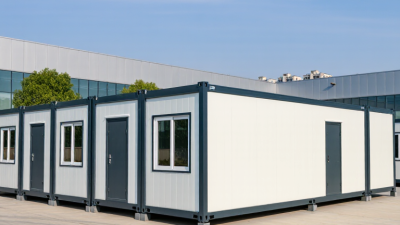
China’s container housing sector is changing quickly. Compact factories now produce modular units with kitchens, bathrooms, insulation, wiring, and efficient plumbing. This development has made the Single container ADU more practical for homeowners, developers, and small hospitality projects. A Single container ADU can arrive as a steel module, but quality depends on far more than appearance. Door seals, floor insulation, drainage points, window placement, and electrical protection deserve close inspection. A well-finished unit should feel stable underfoot, remain comfortable during seasonal temperature changes, and use materials suited to repeated transport. These details often separate a dependable manufacturer from a low-cost supplier. Kol Peterson, an ADU educator and author of Backdoor Revolution, has stated, “ADUs are the most affordable form of market-rate housing in many high-cost cities.” His broader observation helps explain the growing interest in compact Chinese manufacturing. However, affordability is not automatic. Factory experience, customization control, quality documentation, shipping support, and after-sales service all affect the final result. This guide examines China’s top 10 Single container ADU manufacturers through practical criteria. Production capability matters. So do tested materials, transparent specifications, and realistic delivery promises. Some suppliers may offer attractive renderings but provide limited technical information. That deserves caution. The ranking is not absolute. Regional building requirements, site access, climate, and installation budgets can change the best choice. A container unit that performs well in California may need different insulation in northern Europe. Buyers should verify every important detail before signing. That step is easy to overlook. It should not be.
Read more »
Olivia By:Olivia - October 14, 2026
What Is the Best Modular ADU Design for Global Buyers?

What Is the Best Modular ADU Design for Global Buyers?

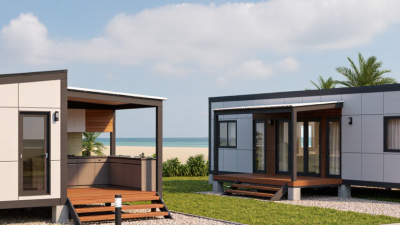
Choosing the best Modular ADU design for global buyers requires more than attractive floor plans. It demands careful attention to climate, construction quality, transport, installation, and local approval pathways. A compact studio may suit a warm coastal region, while a two-bedroom unit may perform better for multigenerational living. The right choice depends on land conditions, intended use, budget, and long-term maintenance. This guide examines how modular ADU layouts respond to different lifestyles and markets. It considers insulated wall systems, energy-efficient windows, flexible kitchens, accessible bathrooms, and durable exterior finishes. These details matter when a unit travels across regions with different weather patterns. They also affect comfort, resale value, and operating costs. Professional evaluation remains essential. Local architects, engineers, and permitting authorities should verify structural standards, utility connections, fire safety, and zoning requirements before purchase. Manufacturing claims should be supported by clear specifications, warranties, testing records, and installation experience. No design wins everywhere. That assumption can fail. A strong Modular ADU design should balance factory precision with site-specific adaptation. Buyers may prefer rapid installation, but transport routes and foundation preparation can change the schedule. They may also expect low costs, although imported materials, taxes, shipping, and local labor can alter the final price. These practical uncertainties deserve honest attention. The following sections compare adaptable layouts, material choices, sustainability features, and buyer priorities. They also identify common weaknesses, because a visually impressive unit can still perform poorly when its design ignores the place where it will stand.
Read more »
Ethan By:Ethan - October 9, 2026
10 Best Upcycled Container Housing Ideas for Global Buyers

10 Best Upcycled Container Housing Ideas for Global Buyers

Upcycled container housing is changing how global buyers imagine compact, durable, and adaptable homes. This approach reuses steel shipping containers, reducing material waste while creating flexible living spaces. Yet, a container is not automatically sustainable. Its past cargo, structural condition, insulation, and transport distance all matter. Sustainable design writer Lloyd Alter often states, “The greenest building is the one already standing.” That principle supports careful container reuse, but it deserves honest reflection. A poorly insulated container can become unbearably hot in Singapore and painfully cold in Canada. Condensation may damage walls, while unplanned openings can weaken the steel frame. Good design must address these risks before decoration begins. This guide explores the 10 Best Upcycled Container Housing Ideas for Global Buyers. Each idea considers practical details, including climate response, ventilation, foundation requirements, interior space, and maintenance. Buyers will see compact studios, modular family homes, off-grid retreats, and expandable housing systems. Some designs appear simple. They are not. An experienced builder may inspect rust around door frames, check previous chemical use, and test the container’s structural integrity. Architects also need to coordinate insulation thickness with local weather conditions and building requirements. These steps can increase cost, but they protect long-term comfort and reliability. There is no perfect container home. That is worth remembering. The strongest projects balance creativity with engineering, budget, and responsible sourcing. For international buyers, the best choice is not always the cheapest model. It is the one that fits the site, climate, regulations, and daily life.
Read more »
Ethan By:Ethan - October 4, 2026
How to Buy Prefabricated Container Homes?

How to Buy Prefabricated Container Homes?

Buying Prefabricated container homes requires more than comparing online prices. A steel box may look simple, yet insulation, ventilation, drainage, fire safety, and foundation design determine its real performance. A container is not automatically a home. That assumption is costly. McKinsey & Company’s 2019 report, “Modular Construction: From Projects to Products,” found that modular methods can reduce construction schedules by 20% to 50% and potentially lower costs by up to 20%. These figures are useful, but they are not guaranteed savings. Transport distance, site preparation, local labor, customization, and permit requirements can quickly change the final budget. The International Code Council also emphasizes that factory-built structures must satisfy applicable building, structural, electrical, plumbing, and fire requirements. Buyers should therefore request drawings, material specifications, test records, warranty terms, and proof of code compliance before paying a deposit. Look closely. A reliable supplier should explain the wall assembly, roof load, window ratings, corrosion protection, and expected maintenance. Ask where the unit was manufactured and how it will reach the site. A 40-foot module may require a crane, escort vehicle, and a road survey. Small details matter. A narrow gate or weak driveway can create an unexpected bill. Industry reports often present attractive averages. Real projects are less tidy. The safest buying decision comes from comparing landed cost, not brochure price, while confirming land-use rules with local authorities and an independent professional. This guide introduces a practical process for choosing Prefabricated container homes with clearer expectations and fewer expensive surprises.
Read more »
Ethan By:Ethan - September 29, 2026
Top 10 Shipping Container Homes for Sale Worldwide

Top 10 Shipping Container Homes for Sale Worldwide

Shipping container homes are no longer limited to unusual architectural projects. They now appear in coastal towns, rural communities, and urban backyards worldwide. This guide introduces the Top 10 Shipping Container Homes for Sale Worldwide, focusing on practical value rather than attractive photography alone. Each home deserves closer inspection. We consider construction quality, insulation, ventilation, window placement, plumbing, electrical systems, and foundation requirements. A well-finished container should feel stable, dry, and comfortable through changing seasons. Look for clear floor plans, material specifications, recent photographs, and honest information about modifications. Rust around the lower rails can signal expensive repairs. Condensation may also become a serious issue in humid climates. Location changes everything. Transport distance, site access, local permits, climate, and utility connections can affect the final budget. A compact home may look affordable until delivery requires a crane and reinforced access road. That detail is easy to overlook. Prices and availability can also change quickly, so buyers should confirm every figure directly with the seller. This selection aims to support informed comparison, not rushed decisions. Some listings provide excellent documentation, while others leave important questions unanswered. That inconsistency matters. A reliable seller should explain the container’s age, steel condition, insulation method, and compliance documentation. Independent inspections remain valuable, especially before making a deposit. The most impressive design may not be the best choice. Practical comfort, safe construction, and long-term maintenance should guide the final decision.
Read more »
Emily By:Emily - September 23, 2026
7 Tips to Choose a Reliable Container Home Builder?

7 Tips to Choose a Reliable Container Home Builder?

Choosing a reliable Container home builder requires more than comparing attractive photos and low prices. A finished container home may look simple, but its strength depends on structural cutting, precise welding, insulation, ventilation, and careful site preparation. A steel box is not automatically a safe home. This guide presents seven practical tips for evaluating builders with greater confidence. You will learn how to check project experience, confirm licensing and insurance, review previous homes, and assess material quality. Pay attention to details such as rust treatment, roof drainage, window framing, floor reinforcement, and moisture control. Small omissions can create expensive problems later. Ask for clear drawings and a detailed contract. It should explain costs, construction stages, delivery responsibilities, warranties, and possible changes. A trustworthy builder should also discuss local planning requirements instead of making broad promises. Visit a completed project when possible. Look closely at door alignment, interior condensation, wall finishes, and electrical workmanship. Details matter. Client references can reveal more than polished marketing. Ask whether the builder communicated delays honestly and corrected defects responsibly. No builder is perfect. However, reliable professionals document mistakes and respond with practical solutions. An independent engineer or experienced inspector can provide another useful opinion before construction begins. This extra review may feel unnecessary, especially when budgets are tight, but it can protect your investment. The right Container home builder combines technical skill, transparent communication, and proven performance, rather than relying on impressive claims alone.
Read more »
Olivia By:Olivia - September 23, 2026
Why Choose a Container ADU Builder for Your Next Home?

Why Choose a Container ADU Builder for Your Next Home?

Choosing a Container ADU builder can transform an overlooked steel container into a practical, comfortable living space. These homes may serve as guest suites, private offices, rental units, or flexible housing for aging family members. Unlike ordinary construction, the process begins with a strong modular shell, often measuring 20 or 40 feet long. That familiar structure can shorten preparation time and reduce material waste when planning is handled carefully. An experienced Container ADU builder evaluates more than the container itself. They review site access, soil conditions, drainage, insulation needs, window placement, plumbing routes, and electrical capacity. A well-designed unit should feel bright inside, despite its narrow proportions. Imagine a compact kitchen beside a full-height window, warm flooring underfoot, and efficient storage above the worktop. Professional builders also coordinate engineering reviews, permits, utility connections, and inspections through the appropriate local process. Still, containers are not automatically affordable or simple. Transport, foundation work, corrosion treatment, and climate control can change the final budget. Poor insulation may create condensation, uncomfortable temperatures, and higher energy use. That is where honest guidance matters. A reliable builder explains limitations, documents specifications, and provides realistic timelines instead of promising instant results. Some design ideas may look impressive online but fail on a real site. Careful questions reveal those weaknesses early. The right partner combines practical experience, technical knowledge, transparent communication, and respect for safety standards. With thoughtful planning, a container ADU can become more than a recycled structure. It can become a durable, adaptable space that supports changing needs for years.
Read more »
Ethan By:Ethan - September 23, 2026